Sound as the First Greeting in a Shop
A retail store has a mood before a member of staff says hello. Light, space, scent, pace, and sound all speak first. Music can make the room feel calm, quick, elegant, young, careful, or careless. It can also drive people out when it feels wrong. For many shops, sound is not background. It is part of the welcome.
The first question is not, “What songs are popular?” A better question may be, “How should the customer move?” A slow playlist can help people browse with less pressure. A sharper beat can suit a busy shop where the offer changes quickly. A soft sound can make higher-value goods feel more considered. The choice should match the way the shop wants people to behave.
Volume needs restraint. Music that feels exciting to staff at 9am may feel tiring to a customer at 4pm. A person should not have to raise their voice to ask about a size, price, or product. If sound blocks conversation, the store loses warmth. The best level often feels present but not pushy.
Placement matters as much as playlist. One corner should not feel silent while another feels attacked. This is where professional loudspeakers can help a store create an even sound field. Even sound does not mean loud sound. It means a customer can move from entrance to fitting room to counter without the mood breaking.
A store can also use sound to guide zones. A children’s area may need a lighter feeling. A premium section may need a slower pace. A checkout point may need lower volume so payment feels simple. These changes should be subtle. If each zone fights the next, the store starts to feel confused.
The brand should lead the audio choice. A surf shop, bookshop, fashion boutique, and electronics store should not sound alike. The wrong music can make a space feel borrowed. A shop that sells calm, natural goods may feel strange with hard, restless tracks. A store built around street style may feel flat with quiet hotel music.
Staff input is useful, but it needs limits. Workers hear the music all day, so their comfort matters. Still, the shop does not exist only for them. A good system allows variety within a clear mood. The playlist can change by time of day, but the brand feeling should stay steady.
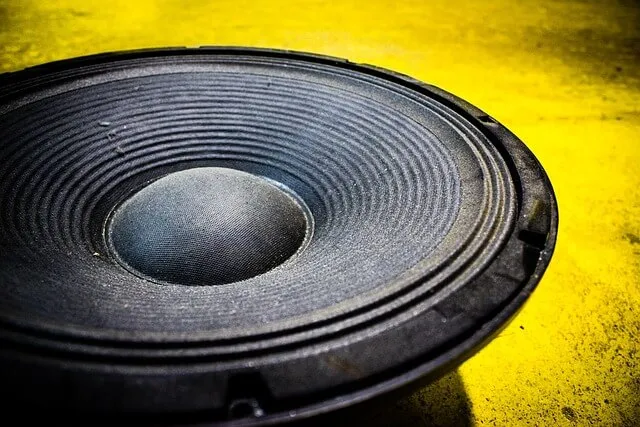
Image Source: Pixabay
Silence can also be a tool. Some stores fear quiet, but a lower level can help customers think. This is especially true when the product needs focus. People comparing price, colour, fit, or quality may need mental room. Sound should support that process, not compete with it.
There is also the question of sound quality. Thin, harsh, or uneven audio can make a space feel cheaper than it is. Customers may not say, “The speakers are poor.” They may simply feel tired. A better system reduces strain. It lets music sit inside the room rather than scratch at it.
Professional loudspeakers should be chosen for coverage, clarity, and fit, not just power. A small store may need fewer units placed well rather than one loud box near the door. A large store may need a planned layout so the mood stays balanced. The design should respect walls, shelves, ceiling height, and noise from the street.
Sound can support seasonal moments too. A summer campaign may feel lighter. A winter range may need warmth. A sale period may need more lift. These shifts can happen without making the shop feel like a different business.
The hidden aim is memory. A customer may forget the exact track, but remember that the store felt easy, alive, or calm. That memory can bring them back. Professional loudspeakers are only one part of the store, yet they help carry its emotional signal. In retail, mood is not an extra. It is part of the product, even when the customer never says so aloud during the visit.

Comments